
Treatments for MASLD (Metabolic dysfunction-Associated Steatotic Liver Disease)
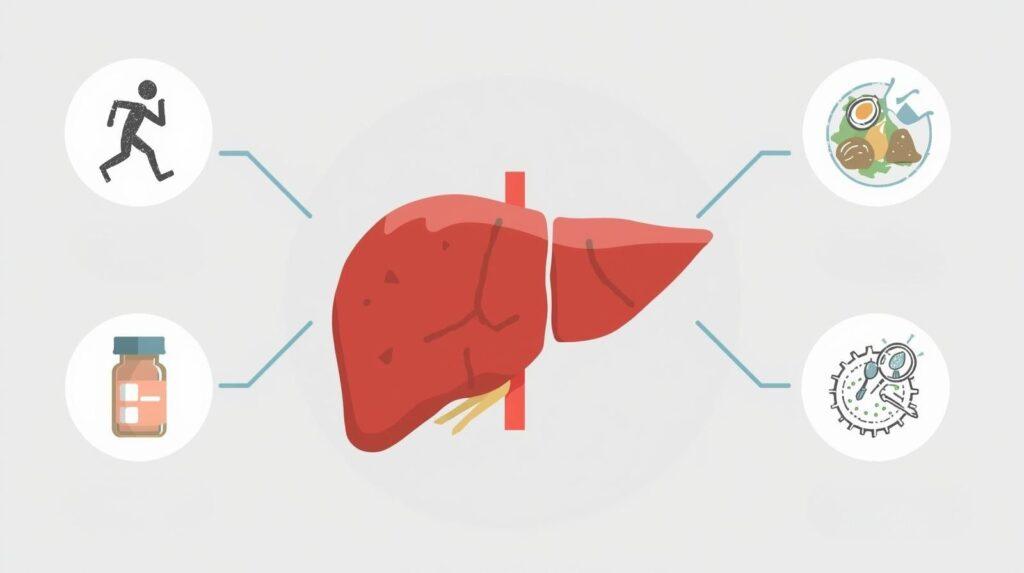
Latest Advances in Treatment for MASLD: What We Know Today
Non-Alcoholic Fatty Liver Disease is increasingly common worldwide and linked to obesity, diabetes, and metabolic syndrome. Recent research underscores that MASLD treatment centers on lifestyle modification and drug therapies targeted at metabolic risk factors. Yet, despite progress, there is no single universally accepted standard therapy — management must be tailored to disease severity and the patient profile.

What is MASLD? (Nonalcholic Fatty Liver Disease)
MASLD refers to accumulation of fat in the liver (steatosis) in people who drink little or no alcohol, and when other causes of liver fat accumulation are excluded.
Because of the rising prevalence of obesity, type 2 diabetes and metabolic syndrome globally, MASLD has emerged as the most common chronic liver disease in many countries.
Given its broad spectrum and potential for progression — from fibrosis to cirrhosis and even hepatocellular carcinoma — early recognition and management become especially important.

Why Early Treating MASLD Matters
Early treatment of MASLD matters for several reasons:
-
- MASLD is not just a liver condition; instead, it is strongly associated with cardiovascular disease, type 2 diabetes, and increased mortality from extra-hepatic causes. ]
- The window for reversal is greater when disease burden is lower. Lifestyle changes and metabolic improvements are more likely effective in early or moderate disease rather than advanced fibrosis. ]
- Thus, a proactive approach to MASLD treatments helps preserve liver health, prevent complications and improve overall metabolic status.

Core Goals of MASLD Treatment
When treating MASLD, the major goals are:
- Reduce hepatic fat accumulation (steatosis)
- Prevent or reduce inflammation and hepatocyte injury (i.e., stop progression to MASH)
- Halt or reverse liver fibrosis
- Improve underlying metabolic dysfunction (insulin resistance, dyslipidaemia, obesity)
- Address associated comorbidities (diabetes, hypertension, dyslipidaemia)
- Monitor and follow-up to assess response and adjust therapy accordingly
Because of the multi-factorial nature of MASLD, treatments must target both the liver and the broader metabolic milieu.

To Begin With: Lifestyle Modifications as the First-Line Treatment
Diet changes
Dietary interventions remain the backbone of MASLD care. Reducing caloric intake, saturated fats, refined sugars (especially fructose), and increasing intake of fibre, whole grains, vegetables and healthy fats are key. Research shows that modest weight loss (5-10% of body weight) significantly improves liver fat and metabolic markers. (PMC)
Exercise & weight management
Regular physical activity — both aerobic and resistance training — enhances insulin sensitivity, decreases visceral fat and improves hepatic steatosis even independent of weight loss.
Many guidelines recommend at least 150 minutes of moderate-intensity exercise per week and gradual weight loss.
Alcohol moderation/avoidance
Although MASLD is defined by minimal alcohol intake, for patients with fatty liver, avoiding additional liver insults (including excess alcohol) is prudent. Also, moderation helps overall liver health and metabolic control.
It’s because lifestyle changes directly address the root causes — metabolic dysfunction and fat accumulation in the liver. As a result, they form the foundation of MASLD treatment and are essential steps every patient should begin with.

Medical Treatments Under Evaluation For MASLD
Because lifestyle change is essential yet often insufficient—especially in moderate or advanced disease—pharmacological therapies play an increasingly important role. Furthermore, although no drug has been universally approved specifically for MASLD yet, several medications are now included in clinical guidelines for selected patients as evidence continues to evolve.(PMC)
Medications
- Insulin sensitizers (e.g., pioglitazone) have shown benefit in improving steatosis, inflammation and some evidence of fibrosis regression in MASH.
- GLP-1 receptor agonists and SGLT2 inhibitors (originally used for diabetes/obesity) are gaining interest for MASLD because they improve weight, metabolic parameters, and have shown reductions in liver fat.
Vitamin E and supplements
Vitamin E is recommended in selected non-diabetic adults with biopsy-proven MASH to improve histology. However, long-term safety and benefits in all patients are uncertain.
Diabetes & cholesterol management
Because MASLD is closely tied to insulin resistance, dyslipidaemia and metabolic syndrome, managing these underlying conditions is part of the treatment strategy. In essence, controlling glucose, lipids, blood pressure and body weight is part of comprehensive MASLD treatments.
While medications can complement lifestyle interventions, they cannot replace them. Therefore, each patient requires individualized evaluation, including suitability, risk–benefit assessment, and ongoing monitoring to ensure safe and effective treatment.

Managing Associated Conditions in MASLD
Since MASLD rarely occurs in isolation, management must include co-morbidities that fuel disease progression:
- Obesity: Excess adiposity, especially visceral fat, is a major driver of liver fat and inflammation. Weight reduction is essential.
- Metabolic syndrome: A cluster of conditions including hypertension, dyslipidaemia, insulin resistance and central obesity – managing these is critical to slow MASLD progression.
- Type 2 Diabetes: In patients with T2DM, the risk of progression to MASH and fibrosis increases significantly. Therefore, close glucose control, appropriate medications, and consistent lifestyle changes become essential for effective management.
By treating these underlying metabolic disorders, the efficacy of MASLD-specific treatments improves.

When to Consider Specialist Care For MASLD
Referral to a hepatologist or specialist centre is warranted when there are features suggesting more advanced disease or complications:
- Progressive fibrosis: It can be detected through non-invasive tests (such as elastography) or, if needed, through a biopsy, since the fibrosis stage is the key predictor of outcomes.
- MASH diagnosis: Individuals with histological evidence of MASH (inflammation + ballooning + fibrosis) are higher risk and may need specialist input.
- Uncertain diagnosis or other liver disease: If alcohol use is uncertain, viral hepatitis or other liver conditions suspected.
- Considering advanced therapies or clinical trials: Patients may benefit from emerging therapies or access to trials of novel MASLD treatments.
Specialist care ensures optimal staging, personalized treatment planning, monitoring for progression, and guided use of pharmacotherapy.
Emerging Therapies & Clinical Trials for MASLD
Because of the complex “multiple-hit” pathogenesis of MASLD (involving insulin resistance, lipotoxicity, gut-liver axis, genetics), the pipeline for new therapies is rich:
- FXR agonists, PPAR agonists, thyromimetics, and agents targeting the gut-microbiome or bile acid signalling are under development.
- Example: Resmetirom (THR-β agonist) has shown promise in reducing liver fat and improving histology.
- Combine therapies: Future strategies may combine lifestyle + metabolic drugs + anti-fibrotic drugs for synergy.
These emerging therapies represent the next frontier of MASLD treatments—potentially allowing more targeted and potent interventions for patients who do not respond to lifestyle alone.
 Role of Follow-ups & Monitoring Disease Progression in MASLD
Effective treatment of MASLD isn’t “set and forget.” Ongoing monitoring is crucial to assess response and adjust therapy:
- Periodic liver enzyme tests, imaging (ultrasound, elastography) or non-invasive fibrosis markers.
- Monitor weight loss progress, metabolic parameters (glucose, lipids, blood pressure).
- Reassess lifestyle adherence, barriers to weight loss or exercise, and provide ongoing behavioural support.
- If therapy fails or worsening is detected (e.g., rising fibrosis), escalate care or refer to specialist.
Through regular follow-up, clinicians can adjust the mix of lifestyle, pharmacotherapy and referral to maximise outcomes in MASLD treatments.
Final Thoughts: Living Better with MASLD
In summary, although MASLD may seem like a daunting diagnosis, the encouraging news is that substantial improvement remains possible when intervention begins early. Moreover, the term MASLD treatment represents a broad spectrum of options, ranging from simple dietary and exercise changes to more advanced metabolic medications and emerging therapies currently under clinical trial.
Here are key take-home messages:
- Prioritise lifestyle change: weight loss, better diet, regular exercise.
- Address metabolic risk factors (obesity, diabetes, lipids) as part of treatment.
- Explore pharmacological therapies when appropriate, under guidance.
- Stay informed: emerging treatments may soon offer additional options.
- Monitor progress: treatment is dynamic, not one-time.
- By embracing a holistic and personalized treatment plan, individuals and clinicians can work together to preserve liver health, reduce risks, and improve overall well-being. Furthermore, whether you’re in the early stage or already facing more advanced disease, today’s comprehensive approach to MASLD treatment offers hope and practical pathways to better outcomes.
Frequently Asked Questions
-
What causes Non‑Alcoholic Fatty Liver Disease ?
MASLD is caused by excess fat accumulation in the liver in people who drink little or no alcohol. Key risk factors include obesity (especially abdominal fat), insulin resistance or type 2 diabetes, high triglycerides or low HDL cholesterol, high blood pressure, and metabolic syndrome.
While diet, genetics, and other conditions (like sleep apnea or thyroid problems) also play a role, metabolic dysfunction is central. -
Can MASLD be reversed?
Yes — especially in the early stages, MASLD can often be improved or even reversed. Lifestyle interventions such as weight loss, healthy diet and exercise are the cornerstone of reversal. For example, losing about 7-10% of body weight can make a meaningful difference.
However, the possibility of reversal depends on how advanced the disease is — once significant fibrosis or cirrhosis sets in, reversal becomes much harder and treatment shifts to slowing progression. -
Are there medicines that treat MASLD?
While there is no universally approved single medication for MASLD generally, several drugs are used or under investigation for particular patient profiles (especially those with MASH or fibrosis).
Medications such as insulin sensitizers (e.g., pioglitazone), GLP-1 receptor agonists, and SGLT2 inhibitors show promise for treating underlying metabolic dysfunction and liver fat/inflammation.
That said, these medications are complementary to lifestyle changes and are chosen based on individual patient risk factors and disease stage. -
How important is lifestyle change in MASLD treatment?
Extremely important. Lifestyle modification is the first-line and most widely applicable part of MASLD treatment.
It includes:
- Diet: reducing sugars/refined carbs, saturated fats, increasing fibre, whole grains, vegetables.
- Exercise: both aerobic and resistance training to reduce liver fat and improve insulin sensitivity.
- Weight management: aiming for 5-10% weight loss can reduce liver fat and improve metabolic health.
- Avoiding/limiting alcohol intake and other liver insults.
Women and men with MASLD should view lifestyle changes not just as helpful, but as essential.
-
When should someone with MASLD see a specialist?
Referral to a hepatologist or liver specialist is warranted when:
- There is evidence of advanced disease (such as fibrosis, cirrhosis) on imaging or blood tests.
- The patient has MASH (i.e., significant inflammation + injury) or has high risk of progression.
- Standard lifestyle and metabolic treatments are insufficient and advanced therapies or trials might be needed.
- Other liver diseases need to be ruled out or there is complicated liver-related health status.
Early specialist involvement ensures appropriate staging, monitoring, and tailored treatment of MASLD.