
MASLD in Children: Causes, Symptoms & Management
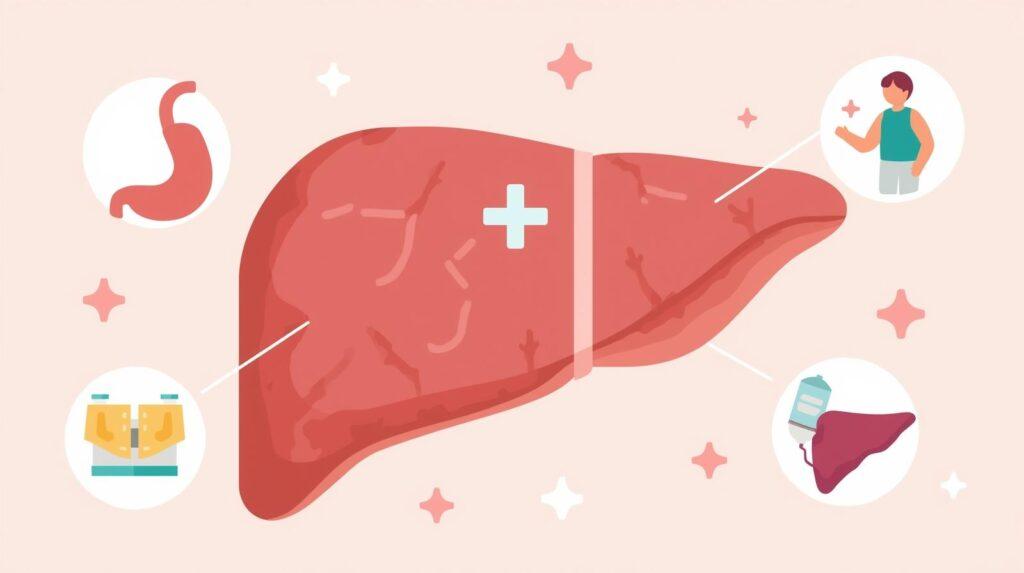
What is MASLD in children?
Metabolic dysfunction-associated steatotic liver disease in children has emerged as a significant global health concern and one of the common causes of chronic liver disease in children and adults. The global prevalence in the general pediatric population is 3%–10%. MASLD, or Metabolic Dysfunction-Associated Steatotic Liver Disease, is a condition where fat builds up in the liver of children who often have underlying metabolic dysfunction such as obesity or insulin resistance. It is now considered the most common liver disease affecting children, with nearly 10% of all children in the U.S. being affected, including very young kids.liverfoundation+1
How do children develop MASLD?
Children develop MASLD when fat deposits in the liver cause damage to liver cells, often triggered by excess weight, insulin resistance, high blood pressure, and abnormal cholesterol or triglycerides. Other factors may include genetic predispositions, early life nutritional exposures, and even environmental toxins. It typically starts silently and builds up over time. Childhood obesity is the biggest driver, though family history and ethnic background can increase risk.jci+2
What symptoms should I watch out for in MASLD?
- MASLD in children usually does not cause obvious or specific symptoms, especially in the early stages of the disease. This silent progression makes it difficult to detect without proactive screening.
- When symptoms do appear, they tend to be mild and nonspecific, including:
- Mild discomfort or a dull pain in the right upper part of the belly, where the liver is located.
- Unexplained fatigue or weakness, which may be subtle and overlooked.
- Loss of appetite or general feelings of not wanting to eat.
- More advanced liver involvement can lead to symptoms such as jaundice (yellowing of the skin and eyes), easy bruising, abdominal swelling, chronic itching, and other signs typical of liver dysfunction, but these are rare in children early on.
-
Because symptoms are mild or absent, doctors often detect MASLD incidentally during routine blood tests that show elevated liver enzymes (ALT, AST) or during imaging studies (ultrasound, MRI) ordered for unrelated reasons such as abdominal pain or obesity evaluation.
- Elevated liver enzymes sometimes prompt further testing and specialist referral, but many children with MASLD have normal liver enzyme levels, so normal tests do not fully exclude the disease.
- Early detection is critical as MASLD can progress silently to more severe liver damage such as inflammation (MASH), fibrosis, and cirrhosis over time if untreated..pmc.ncbi.nlm.nih+2
How is MASLD in children diagnosed?
The doctor begins by ordering blood tests to check liver enzymes, especially alanine aminotransferase (ALT), because elevated levels may indicate liver damage. Next, the doctor rules out other causes such as infections or genetic disorders to confirm MASLD. The doctor may also use imaging tests like abdominal ultrasound, magnetic resonance imaging (MRI), or elastography to detect liver fat and fibrosis. In some situations, the doctor performs a liver biopsy to make a definitive diagnosis and determine how advanced the condition is.mayoclinic+3
Who should get screened for MASLD?
Doctors especially recommend screening for children with obesity (BMI ≥ 95th percentile) and for those who are overweight (BMI 85th–95th percentile) when they also have additional risks such as prediabetes, high cholesterol, or a family history of metabolic diseases. Since MASLD typically does not cause symptoms early on, screening is key in at-risk kids for early detection and management.indianpediatrics+1
If untreated, MASLD can cause progressive liver damage, leading to inflammation (steatohepatitis), fibrosis (scarring), and cirrhosis, which can severely impact liver function. MASLD is also associated with other metabolic conditions like diabetes, hypertension, and cardiovascular risks. Early intervention is crucial to prevent progression and serious complications.clevelandclinic+2
How can MASLD be managed in children?
The primary management is lifestyle intervention. You will need to focus on gradual, sustained weight loss through dietary changes and physical activity. Even a modest weight loss (3 to 10% of body weight) can significantly reduce liver fat and improve liver health. Exercise recommendations typically include around 60 minutes of moderate to vigorous activity most days of the week. You may receive support from a dietitian, weight management programs, or multidisciplinary teams including pediatricians and hepatologists.mayoclinic+2
Are there any medications to treat MASLD in children?
Currently, no medication is approved specifically for MASLD in the children. Some trials have tested antioxidants like vitamin E and insulin sensitizers such as metformin, showing some benefit in select cases. However, these are not standard treatments, and ongoing research seeks safe and effective drug therapies. Lifestyle modification remains the cornerstone of management.
What challenges do children with MASLD face?
Children with MASLD not only have liver disease but often have several metabolic and obesity-related complications like high blood pressure, sleep apnea, and joint pain. Adhering to lifestyle changes can be difficult, requiring family involvement and addressing social and environmental barriers such as access to healthy food and safe spaces for exercise.indianpediatrics+2
How can families support a child with MASLD?
Families play a critical role by encouraging healthy eating habits, physical activity, and regular medical follow-up. Supportive environments at home and school, awareness about the disease, and avoiding stigma are essential. Engaging the whole family in lifestyle changes has been shown to improve outcomes. Coordination with healthcare providers to monitor progress and comorbidities is very important.indianpediatrics+1
Why is early detection of MASLD in children important?
Detecting MASLD early allows you to reverse the condition through lifestyle changes before significant liver damage occurs. Since children often don’t have symptoms, screening at-risk groups is essential. Early intervention not only helps the liver but reduces risks of other metabolic diseases that can affect your child’s long-term health and quality of life.liverfoundation+2
What is the outlook for children with MASLD?
Most children with MASLD can improve their liver health significantly with early and continuous lifestyle changes. This means adopting healthy habits as soon as the disease is detected and sticking to them in the long term. Key elements include eating a well-balanced diet that is low in added sugars and unhealthy fats, as well as regularly engaging in physical activities like walking, swimming, or playing sports for at least an hour a day. Even a modest weight loss of around 5-10% of body weight can reduce the fat buildup and inflammation in the liver and slow down or even reverse damage.
Regular medical check-ups are also essential to monitor liver health and catch any complications early before they worsen. Healthcare providers may track liver enzyme levels and use imaging tools to assess how the liver is doing.
Ultimately, tackling MASLD effectively requires a holistic approach involving the child, family support, and wider public health efforts that focus on preventing childhood obesity and promoting healthy lifestyles in communities. This comprehensive care approach offers the best chance to change the course of MASLD and help children live healthier lives.pmc.ncbi.nlm.nih+8
Frequently Asked Qestions
1. What exactly causes MASLD in children?
2. Can MASLD be reversed in children?
3. How is MASLD different from alcoholic liver disease?
MASLD is caused by metabolic dysfunction and fat accumulation unrelated to alcohol intake. Unlike alcoholic liver disease, MASLD occurs in children who do not consume alcohol. Instead, it is linked to obesity, insulin resistance, and other metabolic risk factors.
4. Why don’t children with MASLD usually feel sick?
MASLD often progresses silently without causing overt symptoms. The liver has a big capacity to function even when damaged, so children usually don’t feel sick until the disease advances. This is why proactive screening is important in kids at risk, as waiting for symptoms can delay diagnosis and treatment.
5. What kind of doctors should manage MASLD in children?
- Liver Foundation – Pediatric Fatty Liver Disease https://liverfoundation.org/resource-center/blog/pediatric-fatty-liver-disease/
- Journal of Clinical Investigation – MASLD in Children https://www.jci.org/articles/view/186422
- PubMed Central – MASLD Symptoms and Management https://pmc.ncbi.nlm.nih.gov/articles/PMC12235337/
- Mayo Clinic – Pediatric MASLD Diagnosis and Management https://www.mayoclinic.org/medical-professionals/pediatrics/news/pediatric-metabolic-dysfunction-associated-steatotic-liver-disease-masld-formerly-known-as-nonalcoholic-fatty-liver-disease-nafld/mac-20555493
- Indian Pediatrics – Clinical Practice Guidelines for MASLD in Children https://indianpediatrics.net/epub092024/GUIDE-00697.pdf
- Cleveland Clinic – Metabolic dysfunction-Associated Steatotic Liver Disease Overview https://my.clevelandclinic.org/health/diseases/22437-non-alcoholic-fatty-liver-disease
- ScienceDirect – Metabolic Dysfunction-Associated Steatotic Liver Disease https://www.sciencedirect.com/science/article/pii/S2667368125000087
- Liver Foundation – Metabolic dysfunction-Associated Steatotic Liver Disease in Children https://liverfoundation.org/liver-diseases/pediatric-liver-information-center/pediatric-liver-disease/nonalcoholic-fatty-liver-disease-nafld-in-children/
- Metabolic Dysfunction-Associated Steatotic Liver Disease in Children – PMC Article
https://pmc.ncbi.nlm.nih.gov/articles/PMC12235337/ - Treatment Modalities for MASLD in Children and Adolescents: A Systematic Review and Meta-Analysis of Randomized Controlled Trials
https://childliverdisease.org/treatment-modalities-for-metabolic-dysfunction-associated-steatotic-liver-disease-masld-in-children-and-adolescent-a-systematic-review-and-meta-analysis-of-randomized-controlled-trials/ - Treatment Options and Continuity of Care in Metabolic Associated Fatty Liver Disease
https://www.ecrjournal.com/articles/treatment-options-and-continuity-care-metabolic-associated-fatty-liver-disease?language_content_entity=en - Treatment for MASLD & MASH in Children – National Institute of Diabetes and Digestive and Kidney Diseases (NIDDK)
https://www.niddk.nih.gov/health-information/liver-disease/nafld-nash-children/treatment - Review of Treatment Modalities for Metabolic Dysfunction-Associated Steatotic Liver Disease
https://www.sciencedirect.com/science/article/abs/pii/S2210740125001627 - Metabolic dysfunction-Associated Steatohepatitis (MASH) Treatment – Liver Foundation
https://liverfoundation.org/liver-diseases/fatty-liver-disease/nonalcoholic-steatohepatitis-nash/nash-treatment/ - Metabolic Dysfunction-Associated Steatotic Liver Disease Overview – Cleveland Clinic
https://my.clevelandclinic.org/health/diseases/22437-non-alcoholic-fatty-liver-disease - Pediatric Metabolic Dysfunction-Associated Steatotic Liver Disease – Gut Journal Full Article
https://gut.bmj.com/content/74/4/669.full.pdf - Guideline-Based Management of Metabolic Dysfunction-Associated Steatotic Liver Disease
https://www.tandfonline.com/doi/full/10.1080/00325481.2024.2325332