
Liver Cancer Stages & Prognosis
Why Is My Liver Important?
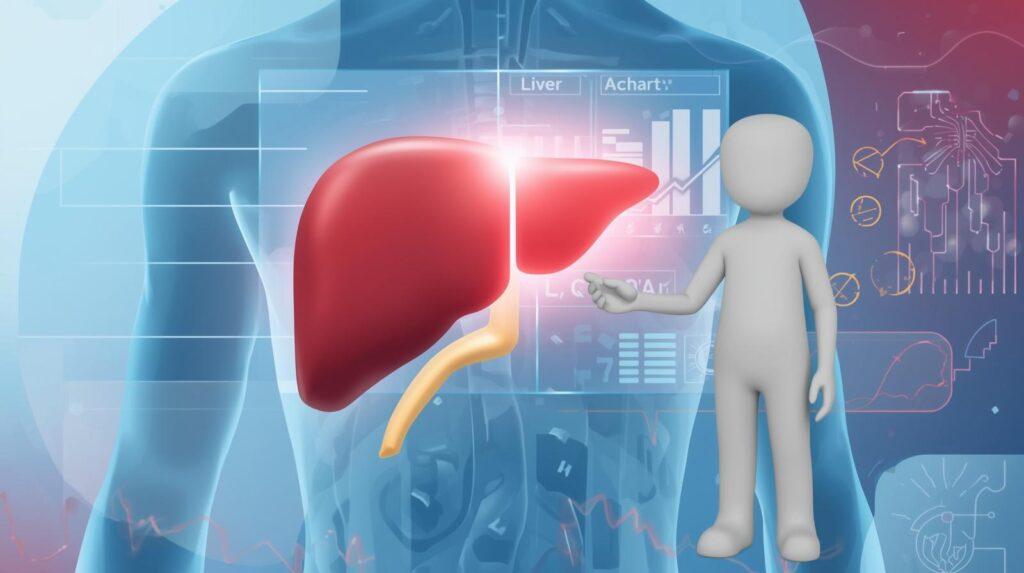
The liver is a vital organ located in the upper right side of the abdomen and is the largest internal organ in the body. It is divided into four lobes and is made up of thousands of tiny units called lobules. These lobules are responsible for the liver’s many crucial functions, including detoxification of harmful substances, metabolism of nutrients, and production of bile to aid digestion. The liver also synthesizes important proteins like albumin and clotting factors, stores vitamins and energy, and plays a key role in immune defense. Blood supply to the liver comes from two major vessels: the hepatic artery bringing oxygenated blood and the portal vein carrying nutrient-rich blood from the digestive organs.cancer+2
What Should I Know About Liver Diseases?
Liver disease occurs when the liver’s structure or function is damaged due to causes such as infections, alcohol use, fatty liver, or genetic factors. Chronic liver damage can lead to scarring (cirrhosis), which impairs liver function and increases the risk of liver cancer. Understanding the liver’s anatomy and vital roles provides essential context for appreciating how liver diseases progress and why staging liver cancer—measuring how far the disease has spread—is critical for guiding treatment and predicting prognosis. The liver’s complex functions mean that damage can affect many body systems, making liver health crucial for overall well-being.ajronline+2
What Are Liver Cancer Stages?
Liver cancer stages describe how far the cancer has spread in the body and are crucial for planning treatment and predicting survival, using keywords like “liver cancer stages” and “stages of liver cancer.”pmc.ncbi.nlm.nih+2
Why Is Staging Important?
Staging helps doctors recommend the most appropriate treatment for you. It also helps patients understand their expected outcomes and prognosis.jamanetwork+1
Staging Systems Explained
There are several systems used to classify stages of liver cancer. The two most common are:
1. BCLC Staging System
Widely accepted globally, the Barcelona Clinic Liver Cancer (BCLC) system divides liver cancer into five major stages, each defining treatment options and prognosis.pmc.ncbi.nlm.nih+1
- (Very Early): In this stage, there is just one tiny tumour, the liver remains healthy, and no symptoms appear.
- Stage A (Early): At this point, one or up to three small tumours may be present, yet the liver continues to function well.
- Stage B (Intermediate): Here, multiple tumours can be seen, but liver function is still maintained.
- Stage C (Advanced): In this advanced phase, the cancer reaches blood vessels, lymph nodes, or nearby organs, and symptoms usually begin to show.
- Stage D (End-stage): At this final stage, the cancer becomes widespread, the liver is severely damaged, and significant symptoms are usually present.
2. TNM Staging System
The TNM system is used internationally and by cancer hospitals. It stands for Tumour, Nodes, Metastasis:
- T (Tumour): Number and size of tumours in the liver.
- N (Nodes): Whether cancer has reached nearby lymph nodes.
- M (Metastasis): Whether cancer has spread to other parts of the body.pmc.ncbi.nlm.nih+1
Detailed Breakdown of Stages
Here’s a simplified version used for patient guidance:
| Stage | What It Means | Example Description |
| Stage 1 | One tumour, cancer localised, liver mostly healthy | “Small tumour, no spread” |
| Stage 2 | Tumour spread to small blood vessels or several small tumours | “Spread locally, multiple tumours” |
| Stage 3 | Large tumours, spread to large blood vessels/nearby organs | “Advanced local spread” |
| Stage 4 | Cancer spread to lymph nodes or other organs (metastasised) | “Cancer has travelled far” |
How Is Liver Cancer Diagnosed and Staged?
Doctors use tests and imaging scans such as CT, MRI, and biopsy to find out:
- The number and size of tumours
- Whether blood vessels are involved
- Whether lymph nodes and other organs are affected
- How well the liver is working (using blood tests, sometimes Child-Pugh or MELD scores)jamanetwork+1
Stages and Treatment Options
Treatment depends heavily on the stage at diagnosis. The earlier the stage, the more options available for curative treatment.pmc.ncbi.nlm.nih+1
Early Stages (0 and A):
- Surgical resection: For small, localised tumours, removing part of the liver can cure the disease if overall liver health is good.
- Liver transplant: If cancer is detected early and the liver is cirrhotic, transplantation is a possible cure.
- Local ablation: Using heat, cold or chemicals to destroy small tumours.jamanetwork+1
Intermediate Stage (B):
- Transarterial chemoembolization (TACE): Delivers chemotherapy directly to tumours in the liver.
- Radioembolization: Targets tumours with small radioactive beads.
- Clinical trials: New drugs, locoregional therapies.pmc.ncbi.nlm.nih+1
Advanced Stage (C):
- Systemic therapy: Targeted drugs (e.g., sorafenib, lenvatinib) and immune-oncology agents (e.g., atezolizumab + bevacizumab).
- Palliative care: Focuses on relieving symptoms and improving life quality.jamanetwork+1
End Stage (D):
- Supportive care: When disease and liver are severely damaged, treatment aims to ease symptoms and improve comfort; liver transplantation may be an option in select cases.pmc.ncbi.nlm.nih+1
Key Prognostic Factors
Your outlook depends on several factors:
- The stage of cancer when diagnosed
- How well your liver is working (liver function scores, presence of cirrhosis)
- Your overall health and fitness level
- Whether you have one or more tumours, tumour size, and involvement of blood vesselspmc.ncbi.nlm.nih+2
Survival Rates According to Stages
While survival rates are averages based on large numbers of patients, here’s what the latest research and cancer agency data show (remember, individual outcomes will vary):cco.amegroups+2
| Stage | 5-Year Survival Rate | Meaning |
| Localised | ~31% | Cancer confined to liver pmc.ncbi.nlm.nih |
| Regional | ~11% | Spread to nearby tissue/nodes pmc.ncbi.nlm.nih |
| Distant | ~3% | Spread to distant organs pmc.ncbi.nlm.nih |
Early stage hepatic cancers (localised, resectable): Some studies report 60–70% survival after transplant or complete tumour removal. Advanced stage (spread to other organs): Chances decrease, but new treatments are improving survival for some patients.cco.amegroups+2
Other Factors That Affect Prognosis
- Type of cancer: Most liver cancers are hepatocellular carcinoma (HCC); outcomes are different for rare types like cholangiocarcinoma.jamanetwork+1
- Cirrhosis: Liver scarring can limit treatment options and worsen prognosis.pmc.ncbi.nlm.nih
- Performance status: Medical teams consider how physically active you are, which may affect treatment choices (“PS” or performance score scales).pmc.ncbi.nlm.nih+1
What Should I Expect Living With Liver Cancer?
- If diagnosed at an early stage: You may have options for cure (surgery, transplant, local therapies).
- Intermediate and advanced stages: Treatments are aimed at slowing disease and improving symptoms, not always cure.
- End-stage cancer: Care focuses on comfort, support, and symptom relief.
- Getting regular check-ups, following your doctor’s advice, and maintaining a healthy lifestyle can help manage complications and improve quality of life.cco.amegroups+1
What Should I Remember About My Liver Cancer Journey?
Knowing your stage and prognosis helps you and your care team make informed decisions about your future. Ask questions, seek second opinions, and use trustworthy resources to guide your journey. Remember, medical science is advancing rapidly, and new therapies appear every year. Many patients with early-stage liver cancer are cured, and for those with advanced disease, symptom control and life extension are increasingly possible. Always consult your healthcare provider for details about your specific case and treatment options.pmc.ncbi.nlm.nih+2
References
- American Cancer Society – Liver Cancer Survival Rates: https://www.cancer.org/cancer/types/liver-cancer/detection-diagnosis-staging/survival-rates.html
- National Cancer Institute – Liver Cancer Stages: https://www.cancer.gov/types/liver/patient/adult-liver-treatment-pdq#_21
- Kolhapur Cancer Centre – Survival Rates of Liver Cancer: https://www.kolhapurcancercentre.com/blog-detail/survival-rates-of-liver-cancer-factors-stages-treatment
- Cancer Research UK – Survival for Liver Cancer: https://www.cancerresearchuk.org/about-cancer/liver-cancer/survival
- TeachMeAnatomy – The Liver: https://teachmeanatomy.info/abdomen/viscera/liver/
- Kenhub – Liver Anatomy: https://www.kenhub.com/en/library/anatomy/liver
- Columbia Surgery – Liver Functions, Location, Anatomy and Disease: https://columbiasurgery.org/conditions-and-treatments/liver-functions-location-anatomy-and-disease
- NCBI Bookshelf (StatPearls) – Physiology, Liver: https://www.ncbi.nlm.nih.gov/books/NBK482290/