
High levels of liver Enzymes: Causes, Symptoms & what it means for your health
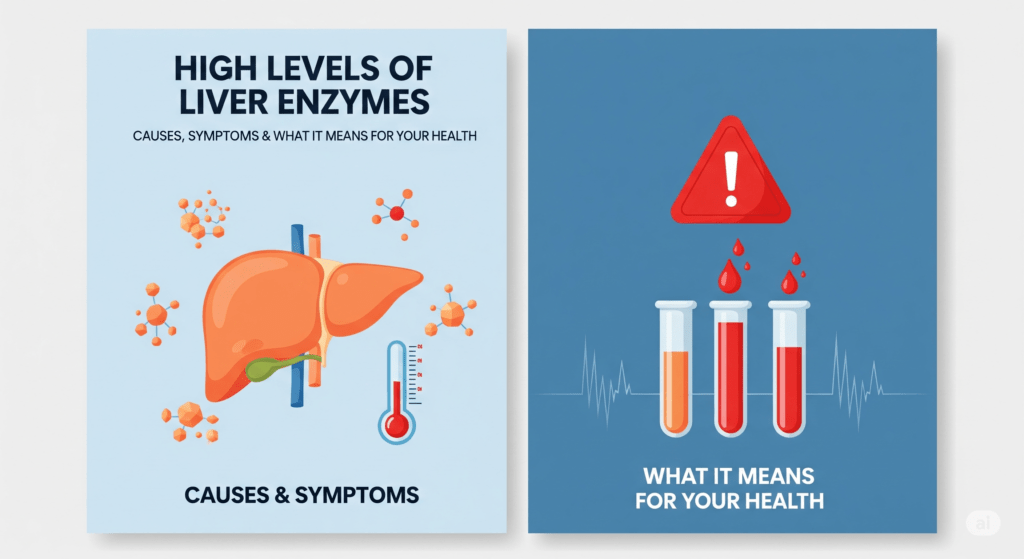
When routine health checkup reveals high liver enzymes, it often raises concern, and for good reason. Your liver is a vital organ responsible for numerous bodily functions, including detoxifying the blood, metabolizing drugs, and producing essential proteins. Elevated liver enzymes may indicate liver damage or inflammation, prompting further investigation into the underlying cause. Understanding what high liver enzymes mean, their symptoms, potential causes, and the importance of early detection can help you take better control of your liver health.
What are high liver enzymes? Meaning,Types & Normal Levels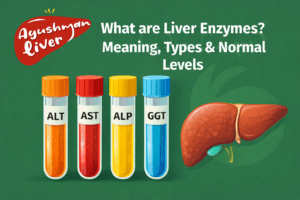
Liver enzymes are proteins that help speed up chemical reactions in the liver. The most commonly tested enzymes include:
- Alanine transaminase (ALT)
- Aspartate transaminase (AST)
- Alkaline phosphate (ALP)
- Gamma-Glutamyl Transferase (GGT)
These enzymes are typically present in liver cells. When the liver is injured or inflamed, these enzymes leak into the bloodstream, leading to elevated levels on blood tests. While high liver enzyme levels don’t always mean severe liver disease, they signal that the liver is under stress or damage.
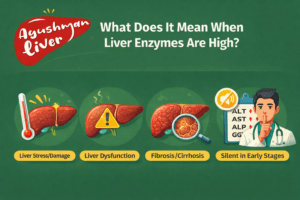 What does it mean when liver enzymes are high?
A high liver enzyme reading doesn’t always translate to a life threatening condition, but it’s a marker that something isn’t functioning normally. Mild elevations may be temporary and resolve on their own. However, persistently elevated levels require a deeper look to prevent progression to liver dysfunction, scarring (fibrosis), or cirrhosis. Often , the elevation is discovered incidentally during routine blood tests since many liver related issues are asymptomatic in their early stages. Therefore, periodic health checkups are essential for early detection and timely management.
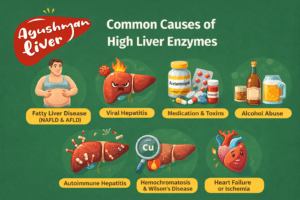 Common causes of high liver enzymes
There are a variety of conditions and lifestyle factors that can lead to high liver enzyme levels. Some of the most common causes include:
1.Fatty liver disease (MASLD & AFLD)
Non- alcoholic fatty liver disease is increasingly common, especially in individuals who are overweight, diabetic, or have high cholesterol. Alcoholic fatty liver disease (AFLD) results from excessive alcohol consumption. Both conditions can cause inflammation and elevated liver enzymes.
2.Viral hepatitis
Hepatitis A,B and C are viral infections that inflame the liver and are known for causing sharp spikes in liver enzyme levels. Hepatitis B and C can become chronic if not treated effectively.
3.Medication and toxins
Over-the- counter drugs like acetaminophen, certain antibiotics, stains and anti-seizure medications can cause liver damage, especially when used excessively or in combination with alcohol. Herbal supplements and toxins may play a role.
4.Alcohol abuse
Chronic alcohol intake can severely impact liver function, leading to alcoholic hepatitis, cirrhosis and a significant rise in liver enzyme levels.
5.Autoimmune hepatitis
In this condition, the immune system mistakenly attacks healthy liver cells, resulting in inflammation and elevated enzyme levels.
6.Hemochromatosis and Wilson’s disease
These are rare genetic conditions where the body stores excess iron or copper, respectively, leading to liver damage and enzyme elevation.
7.Heart failure or ischemia
Reduced blood flow to the liver due to heart conditions or low oxygen levels can result in liver stress and high liver enzyme readings.
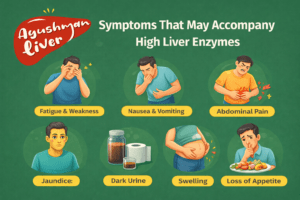
Symptoms that may accompany high liver enzymes
High liver enzyme levels often go unnoticed until a blood test is performed. However, some people may experience symptoms, particularly if the underlying liver condition has progressed. These include:
- Fatigue and weakness
- Nausea or vomiting
- Abdominal pain, especially in the upper right side
- Jaundice (yellowing of the skin and eyes)
- Dark urine or pale stools
- Swelling in the abdomen or legs
- Loss of appetite
If you experience any of these symptoms along with high liver enzyme results, immediate medical attention is crucial.
Diagnosis and evaluation of high liver enzymes
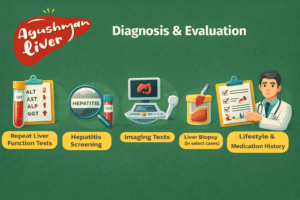
When liver enzymes are elevated, your doctor will likely recommend additional tests to pinpoint the underlying cause. These may include:
- Repeat liver function tests
- Hepatitis screening
- Imaging tests like ultrasound, CT scan or MRI
- Liver biopsy (in select cases)
A comprehensive diagnosis helps determine whether the liver damage is acute, chronic, or reversible, and guides the appropriate treatment.
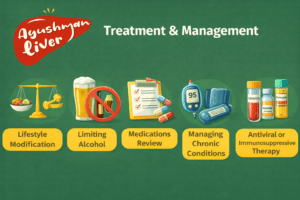 Treatment and management for high liver enzymes
Treatment for high liver enzyme levels depends entirely on the root cause. In many cases, lifestyle changes and managing the contributing factors can normalize enzyme levels. General treatment approaches include:
- Lifestyle modification: Maintaining a healthy weight, eating a balanced diet, and exercising regularly can significantly benefit liver health, especially in fatty liver disease.
- Limiting alcohol: Reducing or eliminating alcohol intake is essential if alcohol is contributing to liver damage.
- Medications review: Adjusting or stopping medications under medical guidance may help lower enzyme levels.
- Managing chronic conditions: Controlling diabetes, hypertension, and high cholesterol can reduce liver strain.
- Antiviral or immunosuppressive therapy: if viral hepatitis or autoimmune disease is diagnosed, targeted treatment is initiated.
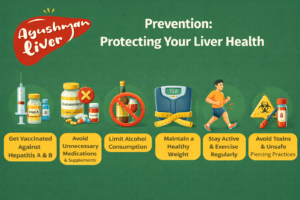
Prevention: protecting your liver health from high liver enzymes
While treatment is important, preventing liver damage is often far more effective in maintaining long-term health. Here are ways to safeguard your liver:
- Get vaccinated against Hepatitis A and B
- Avoid unnecessary use of over-the-counter medications and supplements.
- Limit alcohol consumption, as a research on alcohol and its effect on liver function shows exccesive drinking can elevate liver enzymes.
- Maintain a healthy weight
- Stay active and exercise regularly
- Avoid exposure to environmental toxins and unsafe tattooing or piercing practices
In addition, routine liver function testing is essential—particularly for individuals with risk factors such as obesity, alcohol use, or chronic health conditions.
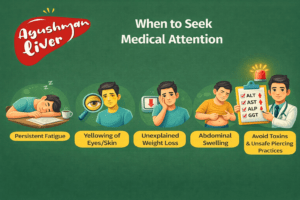 When to seek medical attention
If your blood test shows high liver enzymes, it’s not something to ignore. While it may not always indicate a serious condition, it’s a sign that your liver is reaching some form of stress. Persistent symptoms like fatigue, yellowing of the eyes, unexplained weight loss, or swelling should prompt urgent medical evaluation.
Final thoughts about high liver enzymes
High liver enzyme levels serve as a red flag that shouldn’t be taken lightly. They may indicate a temporary issue or a chronic liver disease that, if left untreated, could progress to serious complications. The key lies in early detection, a proper diagnosis, and making lifestyle adjustments to protect and support liver function. Your liver plays a vital role in keeping your balanced and healthy, taking care of it should be a top health priority.