Diet After Liver Cancer: What Should I Eat and Avoid?
What Is Liver Cancer and How Does It Affect Me?
Liver cancer is a serious illness where liver cells grow uncontrollably, forming tumors. It usually happens due to liver damage from causes like hepatitis B or C infections, scarring of the liver (cirrhosis), drinking too much alcohol, or fatty liver disease. Since liver plays a vital role in digestion, metabolism, detoxification, and storing nutrients, the disease affects many bodily functions.
Symptoms may appear late but can include pain in upper abdomen, yellowing of skin and eyes (jaundice), losing weight without trying, and feeling tired.cdc+2
Why Is My Diet Especially Important After Liver Cancer?
Because the liver controls so many metabolic processes, liver cancer and its treatment often disrupt your body’s ability to absorb and use nutrients properly. Patients might experience poor appetite, nausea, and increased nutritional needs caused by tumor growth and healing. Eating a balanced, nutrient-rich diet helps your liver regenerate, boosts your immune system, improves ability to tolerate surgery or chemotherapy, and supports overall recovery. It’s also critical to keep a healthy weight and maintain muscle mass to improve your chances for survival and quality of life.kolhapurcancercentre+2
What Protein-Rich Foods Should I Include in My Diet?
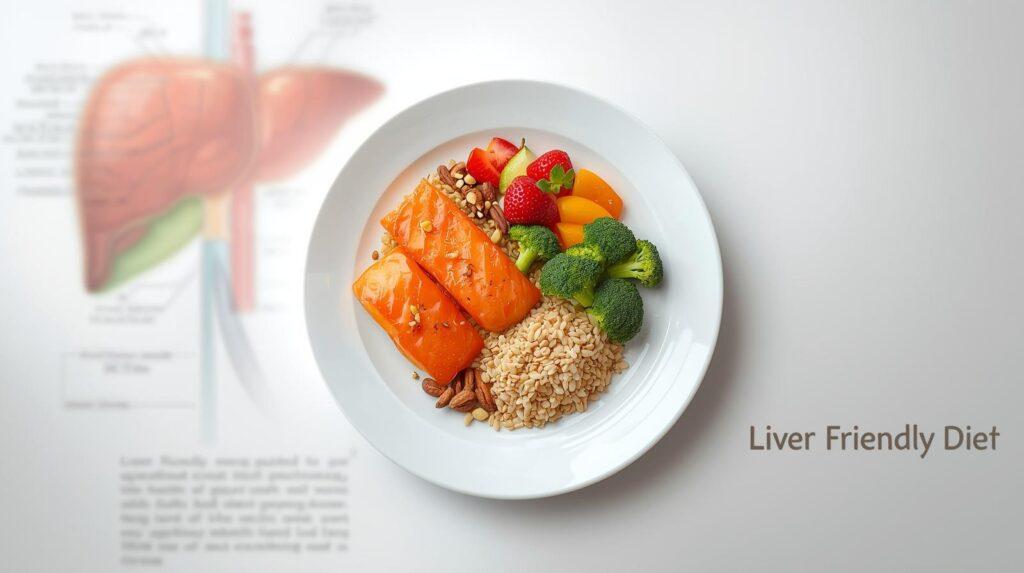
Protein is crucial for repairing damaged liver tissue and maintaining your muscle mass. You should focus on lean options like chicken, turkey, eggs, tofu, and legumes. Fatty fish such as salmon, mackerel, and sardines are excellent choices because they provide omega-3 fatty acids that fight inflammation and support liver health. Including fish oil supplements might further help your liver recover.denvaxindia+2
Which Fruits and Vegetables Are Best for My Liver Health?
Adding plenty of fruits and vegetables rich in antioxidants like vitamins A, C, and E helps combat oxidative stress caused by cancer. Leafy greens, berries, citrus fruits, broccoli, carrots, and cabbage are especially beneficial for detoxifying and protecting your liver cells. They also supply fiber that aids digestion and prevents constipation, which is important during liver disease.vinmec+2
How Do Whole Grains Support My Recovery?
Whole grains such as brown rice, oats, barley, and quinoa provide sustained energy through complex carbohydrates and also offer fiber, vitamins, and minerals that reduce inflammation and support liver function. Eating whole grains has been linked with a lower risk of liver cancer recurrence.medicalnewstoday+2
What Healthy Fats Should I Incorporate, and What Should I Avoid?
Healthy fats found in olive oil, avocados, nuts, and seeds help me absorb nutrients and reduce inflammation in your liver. Consuming omega-3 fatty acids is particularly helpful. You should avoid saturated fats and trans fats found in fried and processed foods, which stress the liver and increase inflammation.healthline+1
How Important Is Staying Hydrated and What Should I Drink?
Drinking enough water and fluids like herbal teas without caffeine or alcohol is essential for supporting your metabolic processes and helping your body eliminate toxins effectively. Staying hydrated also helps me feel better during treatment.kolhapurcancercentre
What Foods Are Easiest for Me to Digest After Surgery or During Treatment?
After surgery or during intense treatment phases, gentle foods like broth-based soups, mashed potatoes, bananas, cooked vegetables, and papaya are easier on your digestive system. These foods can also help ease nausea and discomfort.denvaxindia
What Foods Should I Absolutely Avoid to Protect My Liver?
Why Should I Avoid Alcohol?
Alcohol is toxic to liver and can worsen inflammation, increase liver damage, and raise your chances of cancer coming back. Complete abstinence is necessary for your liver’s healing.mayoclinic+2
Why Must I Stay Away from Fried, Fatty, and Processed Foods?
These foods burden your liver, contribute to fat buildup, and cause inflammation, making recovery harder. Avoiding fried snacks, processed foods, and baked goods with trans fats is important.vinmec+2
What Is the Risk of Eating Red and Processed Meats?
Red meats and processed products like sausages and bacon contain saturated fats and preservatives that can increase your liver cancer risk. Limiting or avoiding them helps protect the liver.denvaxindia+1
What Are Aflatoxins and Why Should I Avoid Them?
Aflatoxins are harmful toxins from molds on poorly stored grains, nuts, and dried foods. They pose a strong cancer risk and could cause liver damage, so you must steer clear of moldy or expired products.medicalnewstoday+1
How Do Excess Salt and Sugar Affect My Liver?
Too much salt can cause fluid retention and worsen liver swelling, while excessive sugar intake promotes fat accumulation in liver, worsening fatty liver disease and liver health.healthline+1
Should I Avoid Spicy and Irritating Foods?
Yes, spicy or highly seasoned foods can upset the stomach, especially during treatment, so you should keep your meals mild.denvaxindia
What Are Some Additional Dietary Tips I Should Follow as a Liver Cancer Survivor?
- Eating smaller, frequent meals can help maintain calorie intake and reduce nausea.
- Regularly checking your weight and muscle mass with your healthcare provider helps catch malnutrition early.
- If you cannot eat enough, nutritional supplements might be recommended to meet your needs.
- You should avoid raw or undercooked foods to reduce infection risk since your immunity might be compromised.
- Working with a dietitian who understands liver disease can help me create a personalized eating plan that fits your treatment and recovery stages.pmc.ncbi.nlm.nih+2
How Can I Work with Healthcare Providers to Manage My Diet?
Collaborating with doctors and dietitians ensures your diet supports your medical treatment and personal needs. They can help adjust your nutrition to improve healing, manage side effects, and maintain your strength throughout recovery.kolhapurcancercentre+1
Frequently Asked Questions (FAQs) About Diet After Liver Cancer
1. Do I need to follow a special diet during my liver cancer treatment?
Yes, it is important to eat a balanced diet rich in protein, whole grains, fruits, vegetables, and healthy fats to support your immune system, help manage side effects like nausea, and aid tissue repair. Small, frequent meals spaced every three hours are often recommended to ensure adequate nutrition and reduce treatment-related discomfort.
2. What foods should I avoid to protect my liver during and after treatment?
Avoid alcohol completely as it is toxic to the liver. Also reduce or avoid fried, fatty, processed foods, red and processed meats, foods contaminated with aflatoxins (moldy grains/nuts), and those high in salt and sugars. Spicy and irritating foods can also worsen symptoms during treatment phases.
3. Can I eat fruits and vegetables freely after liver cancer?
Yes, fruits and vegetables are highly recommended as they are rich in antioxidants, vitamins, and fiber that protect liver health, reduce inflammation, and aid detoxification. Aim for a variety of colorful fruits and vegetables, especially cruciferous types like broccoli, cabbage, and carrots.
4. How can I maintain my strength and muscle mass during treatment?
Consuming adequate protein from lean meats, fish, eggs, legumes, tofu, and nuts is essential. Eating five to six small protein-rich meals daily can help maintain muscle and prevent malnutrition even if your appetite fluctuates during treatment.
5. Should I use nutritional supplements?
If you struggle to eat enough or lose weight unintentionally, supplements prescribed by your health care team, including oral nutritional drinks, can help meet your calorie and protein needs. Always discuss supplements with your oncologist or dietitian before use.
Here is a 300-word conclusion for the blog on diet after liver cancer, integrating key insights from clinical studies:
Conclusion
Managing your diet after a liver cancer diagnosis is one of the most impactful steps I can take to support recovery, improve treatment outcomes, and protect long-term liver health. Clinical evidence consistently shows that a nutrient-rich, balanced diet tailored to your unique needs can significantly influence your prognosis and quality of life. Incorporating ample high-quality protein, antioxidant-packed fruits and vegetables, whole grains, and healthy fats like omega-3 fatty acids helps promote liver regeneration, reduce inflammation, and maintain muscle mass essential for strength and immunity during recovery.pmc.ncbi.nlm.nih+2
Equally important is avoiding foods and substances that exacerbate liver damage or increase cancer recurrence risk. Abstaining from alcohol, limiting fried, processed, and fatty foods, avoiding aflatoxin-contaminated grains, and reducing red and processed meats are critical dietary strategies supported by epidemiological studies and meta-analyses. Excess salt and sugar intake can worsen complications related to liver disease such as fluid retention and fatty liver, respectively, so moderation is advised.wcrf+5
The literature also highlights the protective associations of specific dietary patterns, including a low-fat or Mediterranean-style diet rich in vegetables, legumes, whole grains, and fish, in reducing hepatocellular carcinoma risk. Adhering to these healthy eating patterns during and after treatment can support better clinical outcomes.frontiersin+2
Finally, personalized guidance—ideally from a multidisciplinary healthcare team including oncologists, hepatologists, and dietitians—is crucial to address individual dietary challenges such as poor appetite or side effects from therapy. Regular monitoring of nutritional status and the judicious use of supplements when needed can help prevent malnutrition and enhance your overall wellbeing.pmc.ncbi.nlm.nih+1
In summary, diet is a powerful, modifiable factor that complements medical treatment in liver cancer care. Prioritizing liver-friendly foods and avoiding harmful ones empowers me to actively participate in your healing journey and improve your long-term health prognosis.
- https://pmc.ncbi.nlm.nih.gov/articles/PMC10286342/
- https://oncocareclinic.ru/diet-for-liver-cancer
- https://www.sciencedirect.com/science/article/pii/S1040842824000076/pdf
- https://www.cambridge.org/core/journals/british-journal-of-nutrition/article/diet-and-liver-cancer-risk-a-narrative-review-of-epidemiological-evidence/D05E37B1FAF60F25AC18804A7032C330
- https://www.frontiersin.org/journals/nutrition/articles/10.3389/fnut.2022.1013643/full
- https://pmc.ncbi.nlm.nih.gov/articles/PMC5295144/
- https://www.wcrf.org/wp-content/uploads/2024/10/liver-cancer-report.pdf
- https://pmc.ncbi.nlm.nih.gov/articles/PMC8529929/
- https://www.mayoclinic.org/diseases-conditions/liver-cancer/symptoms-causes/syc-20353659
- https://www.medicalnewstoday.com/articles/liver-cancer-diet
- https://www.kolhapurcancercentre.com/blog/diet-for-liver-cancer-patients/
- https://www.healthline.com/health/cancer/liver-cancer-diet-foods
- https://www.moffitt.org/cancers/liver-hepatocellular-cancer/faqs/do-you-have-to-keep-a-certain-diet-with-liver-cancer/
- https://www.kolhapurcancercentre.com/blog/diet-for-liver-cancer-patients/
- https://www.denvaxindia.com/blog/diet-and-nutrition-guide-for-liver-cancer-patients/
- https://www.moffitt.org/endeavor/archive/10-cancer-fighting-foods-you-should-be-eating/
- https://www.vinmec.com/eng/blog/what-should-liver-cancer-eat-what-should-be-avoided-en
- https://www.cohamed.com/blog/liver-cancer-diet
- https://www.medicalnewstoday.com/articles/liver-cancer-diet
- https://www.healthline.com/health/cancer/liver-cancer-diet-foods
- https://www.aicr.org/resources/blog/headline-headaches-alcohol-coffee-and-liver-cancer/
- https://www.americanoncology.com/blogs/the-role-of-diet-and-lifestyle-in-liver-cancer-prevention
- https://www.cdc.gov/liver-cancer/about/index.html
- https://drajayyadav.in/blogs/liver-cancer-symptoms-and-causes
- https://www.mayoclinic.org/diseases-conditions/liver-cancer/symptoms-causes/syc-20353659
- https://pmc.ncbi.nlm.nih.gov/articles/PMC8529929/
- https://www.moffitt.org/cancers/liver-hepatocellular-cancer/faqs/do-you-have-to-keep-a-certain-diet-with-liver-cancer/